
The False Safety of Medical Care
Killers of the Flower MoonThis flow traces how illness, medical authority, and suspected poisoning make it difficult for Osage families to distinguish care from danger.
increasing Bearing strength in each event
 decreasing
Bearing strength in each eventdecreasingMinnie’s Unexplained Illness
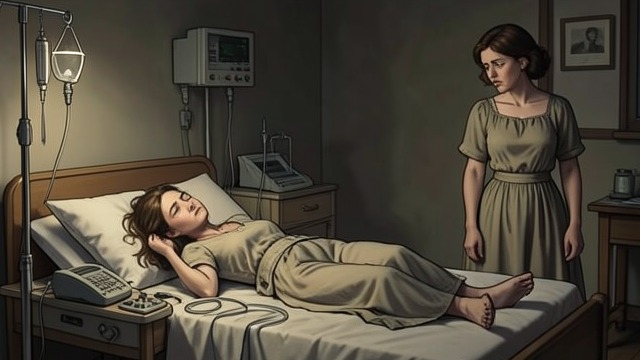
Minnie’s Unexplained Illness
A Sudden Death
Minnie dies at twenty-seven after what doctors describe as a peculiar wasting illness. Mollie remembers her as healthy and remains doubtful that the explanation is sufficient.
An Early Pattern
The death later appears alongside other family losses with similar vague diagnoses. At the time, however, no investigation establishes that Minnie was poisoned.
Lizzie’s Decline

Lizzie’s Decline
No Clear Diagnosis
Lizzie becomes weaker after Anna’s murder, and no doctor identifies a natural cause for her illness. Mollie seeks help from the Shoun brothers and traditional medicine men.
Suspicion Emerges
Bill Smith begins to suspect poisoning, but authorities do not pursue the possibility. A medical explanation that might have been investigated instead becomes a quiet cause of death.
Poison in Alcohol
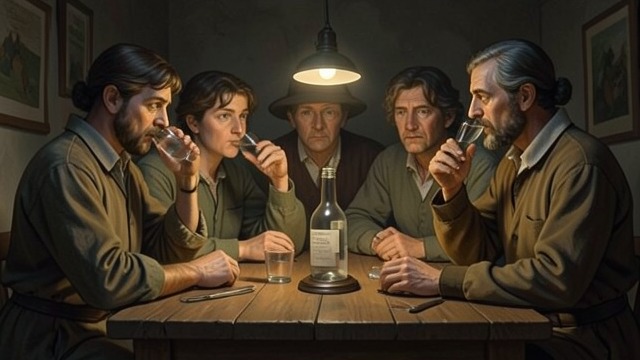
Poison in Alcohol
Sudden Collapse
Several Osage people die after drinking alcohol obtained from others. Poisoned liquor can resemble the hazards of Prohibition-era moonshine and attract little forensic scrutiny.
A Convenient Cover
When a death is attributed to bad alcohol, deliberate poisoning may be overlooked. The method offers killers a way to act without a gunshot or an obvious wound.
Mollie’s Treatment Reconsidered
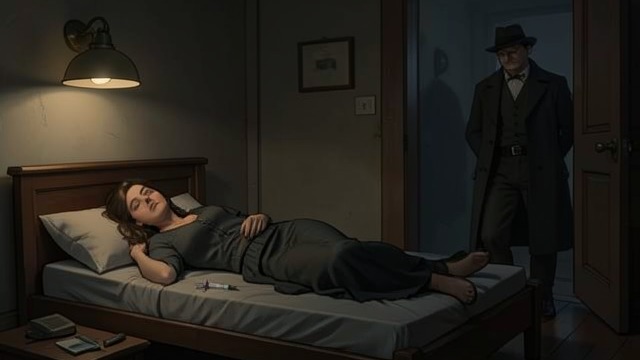
Mollie’s Treatment Reconsidered
Injections and Decline
Mollie receives injections said to be insulin for diabetes, yet her health worsens. Officials question whether the treatment is being used to poison her.
Removal and Recovery
After authorities move her from the control of Ernest Burkhart and William K. Hale, she improves under other care. The improvement strengthens suspicion, though investigators cannot prove who administered poison or how.
Medicine as Evidence and Limit
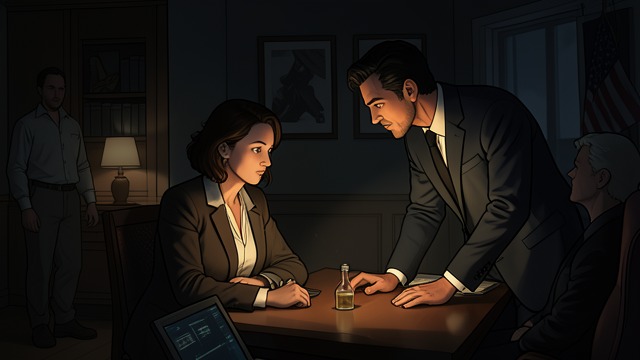
Medicine as Evidence and Limit
Forensic Possibilities
By the 1920s, toxicology could detect many poisons, but local counties often lacked trained coroners and laboratories. Suspicious deaths therefore went untested.
Trust Replaced by Doubt
The failures undermine confidence in doctors and official death certificates. Medical care itself becomes part of the history of fear, because a patient may not know whether help is genuine.
1918
Summer 1921
1922 to 1923
1925 to 1926
Later investigations
